Thatch Assessment
Measure FirstWe distinguish excessive thatch from ordinary leaf and runner growth before treatment.
- Surface feel check
- Turf type considered
- Treatment intensity planned
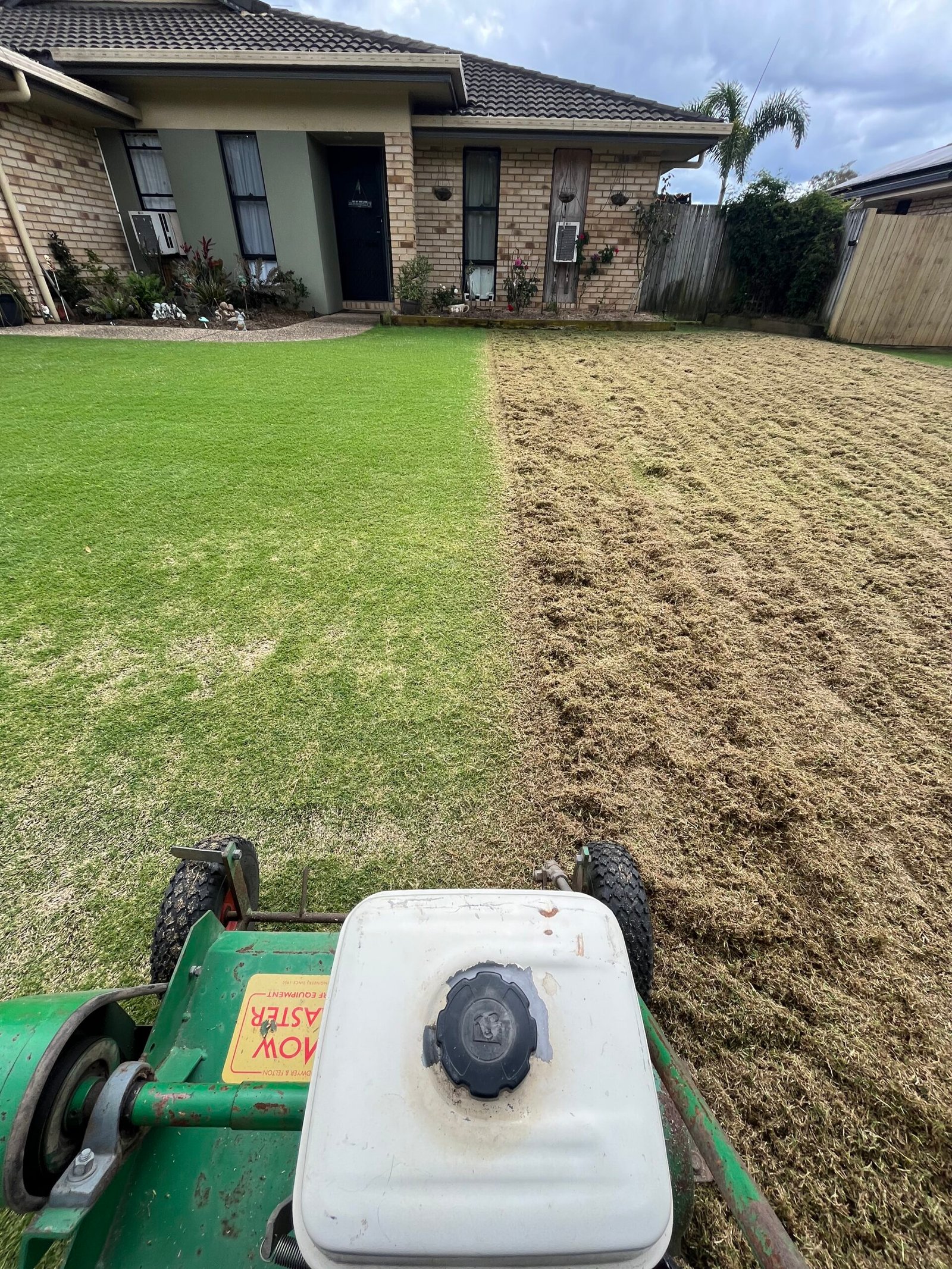
A small organic layer is normal, but excessive thatch can hold water above the soil, create a soft surface and limit the movement of air and nutrients. Dethatching mechanically removes the excess so the turf can rebuild from a cleaner base.
Excess thatch build-up
Mechanical material removal
Improved soil contact
Planned aftercare
Your written quote confirms the final scope. These are the core checks and stages used to plan lawn dethatching.
We distinguish excessive thatch from ordinary leaf and runner growth before treatment.
The lawn may be reduced to an appropriate working height before mechanical passes begin.
Passes lift accumulated material so it can be collected rather than left blocking the surface.
Water, nutrition and first-cut timing are discussed to support healthy regrowth.
Reducing the spongy layer helps irrigation and nutrients reach the root-zone surface.
Removing accumulated material can create a firmer, more manageable turf profile.
A planned recovery phase lets warm-season turf rebuild density after treatment.
Useful answers before you request a property-specific quote.
Thatch is a layer of living and dead stems, runners and organic matter between green leaf and soil. A thin layer is normal; excessive build-up can cause problems.
No. A low cut only removes leaf height. Dethatching uses suitable machinery to work into and lift accumulated material from the turf profile.
Dethatching exposes lower turf material, so temporary thinning or browning is expected. Suitable timing and aftercare are important for recovery.
Yes. It is commonly combined with other steps such as aeration, top dressing and fertilising when those treatments address the lawn’s condition.
 01
01
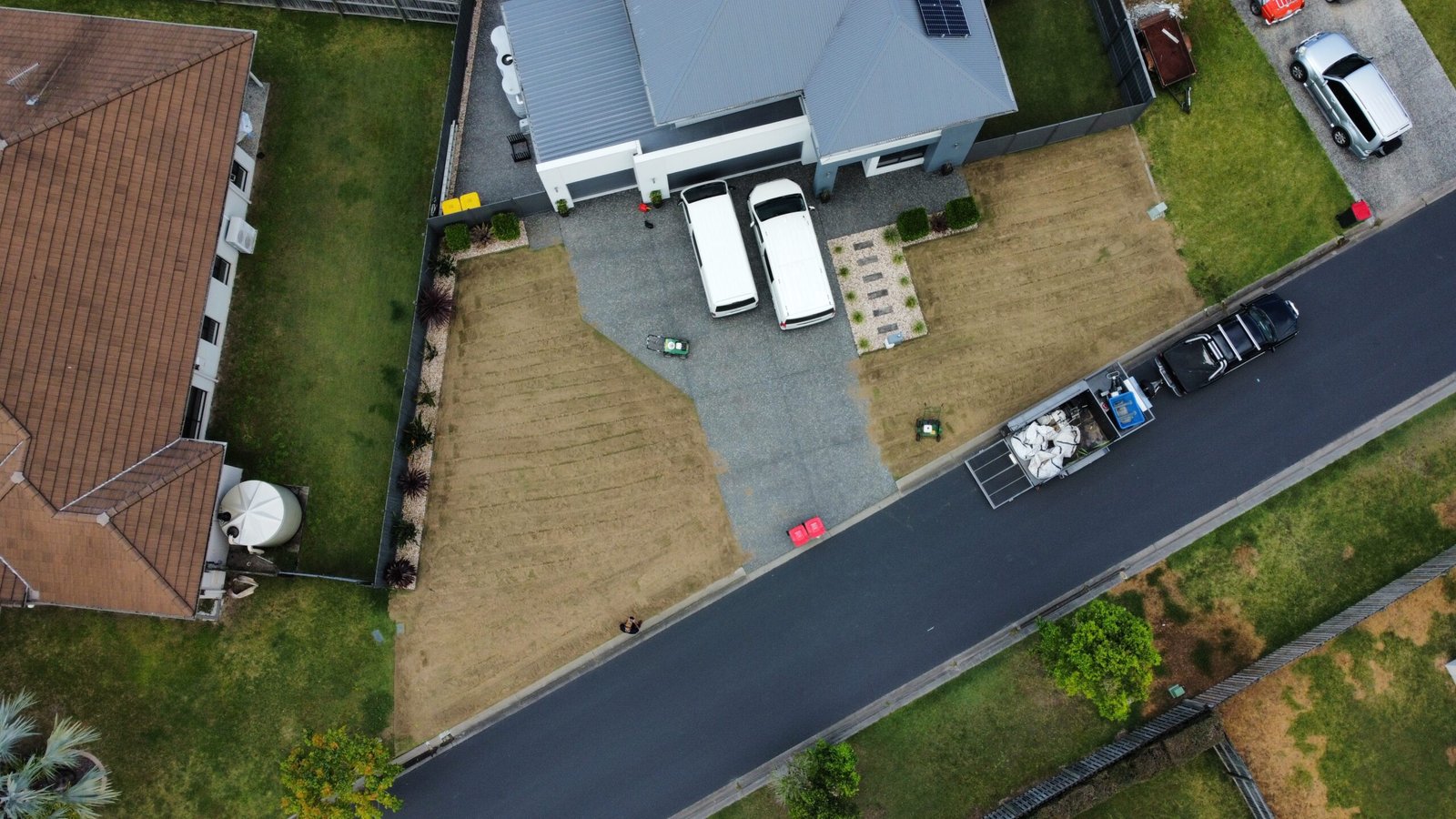
Restore thin, compacted or uneven turf with a planned lawn renovation across Brisbane Northside, Moreton Bay, Caboolture and surrounding suburbs.
 02
02
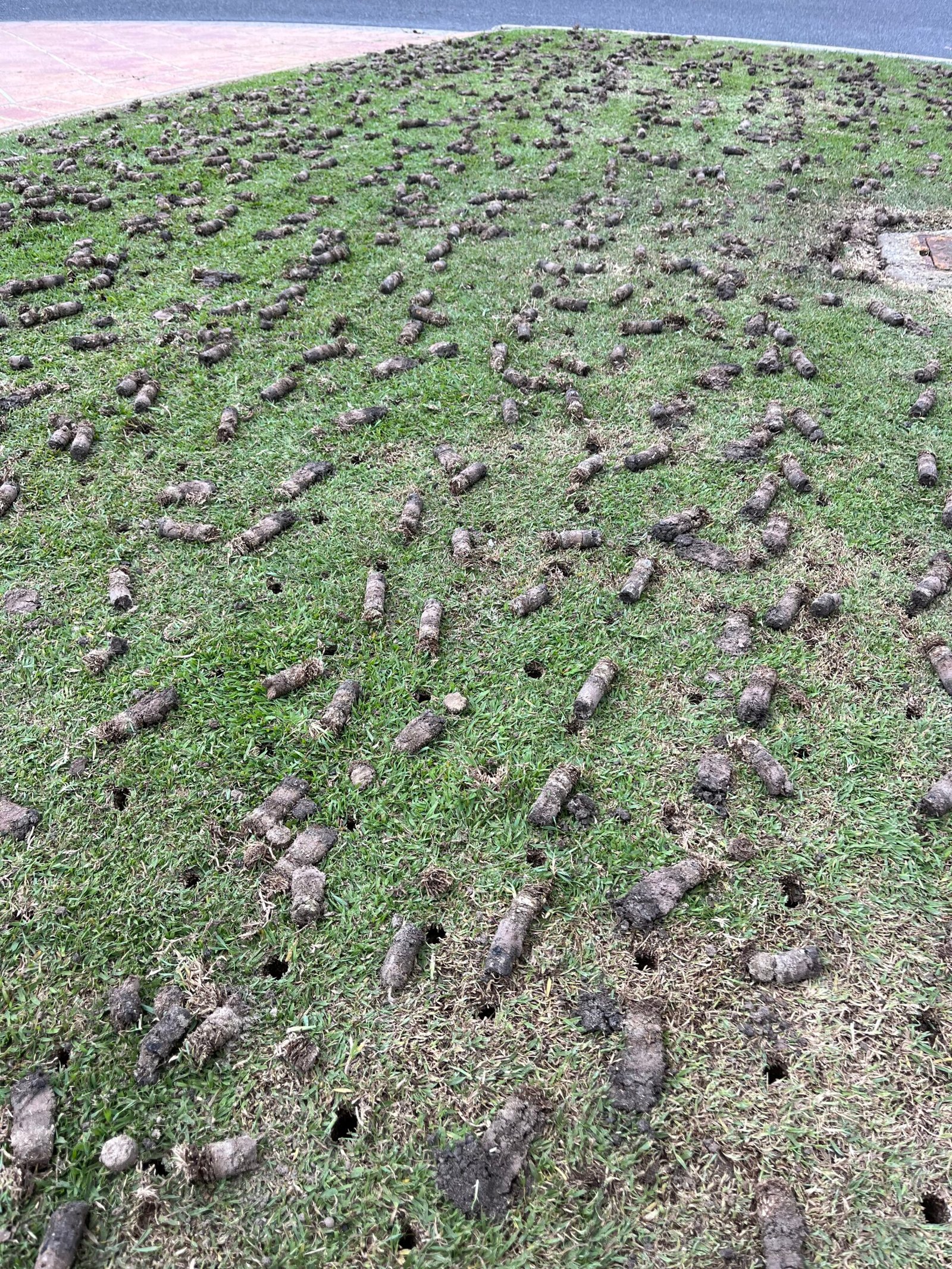
Relieve compacted soil and improve water, air and nutrient movement with professional lawn aeration across Brisbane Northside and Moreton Bay.
 03
03
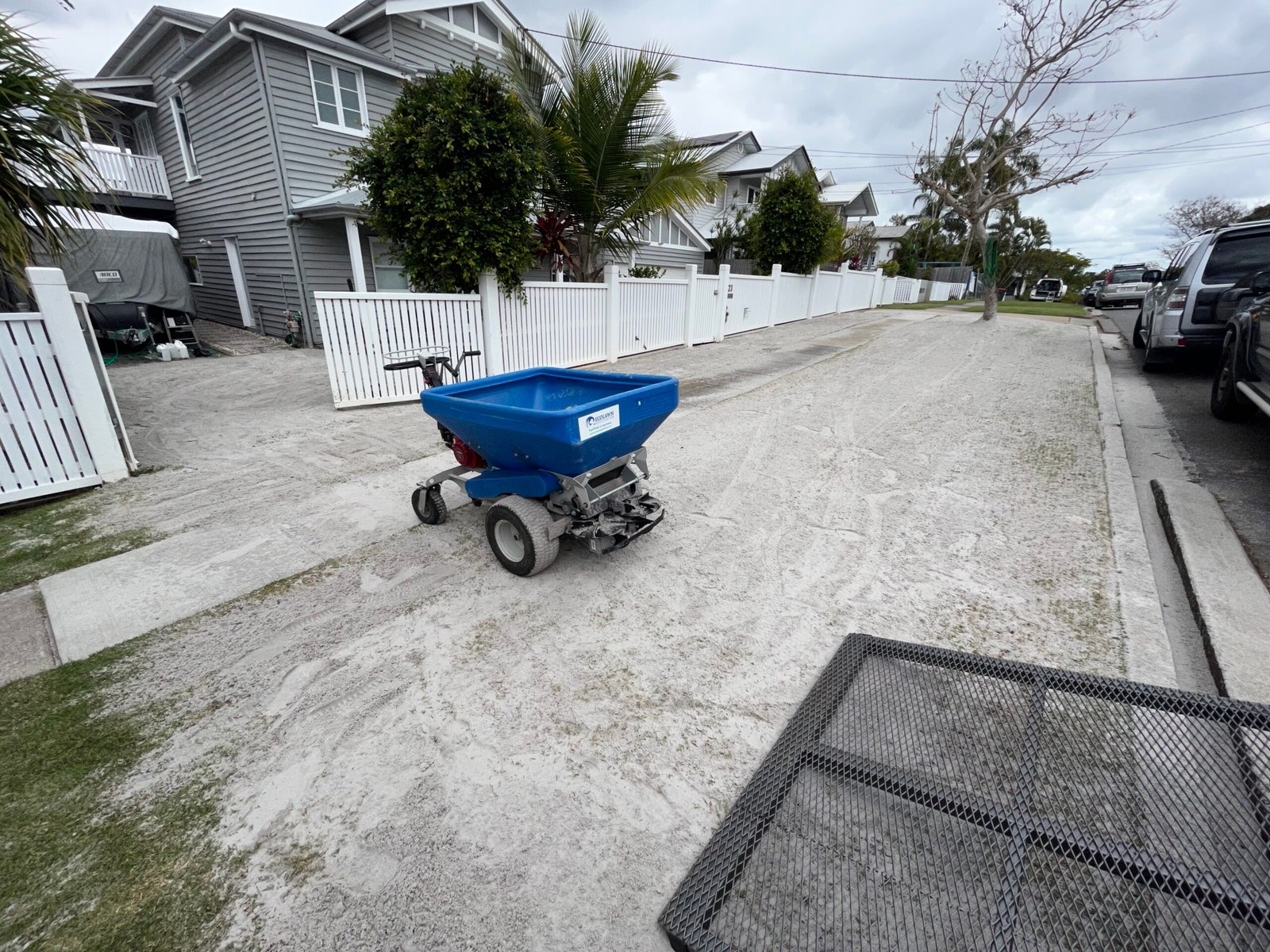
Improve lawn levels and soil structure with carefully selected top dressing applied across Brisbane Northside, Caboolture and Moreton Bay lawns.
Share the property, current condition and result you want. We will confirm whether this service is the right fit.