
Compaction Review
Confirm NeedWe assess surface hardness, water behaviour, traffic and turf response before recommending aeration.
- Traffic pattern review
- Soil surface check
- Treatment suitability
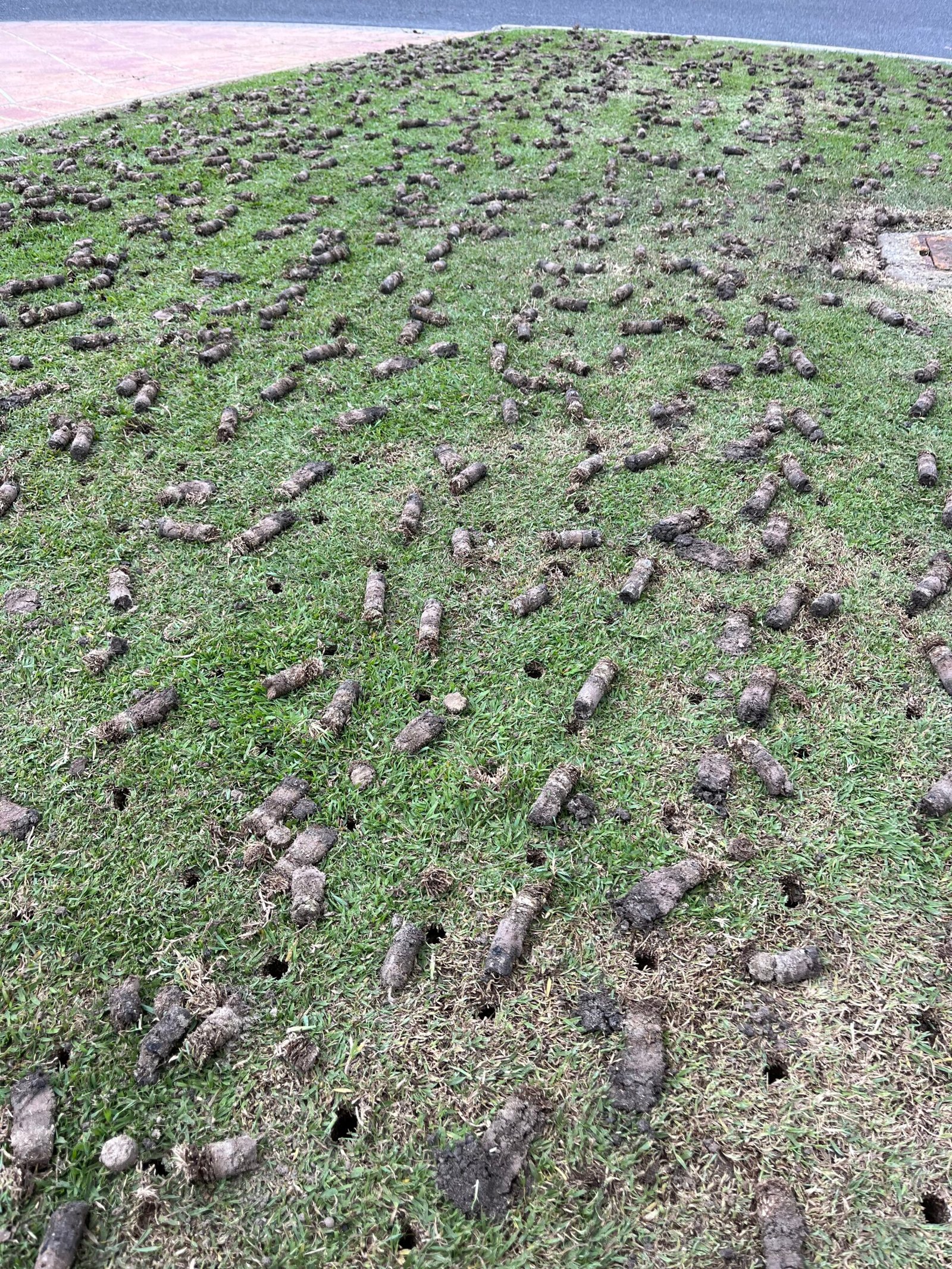
Compacted soil restricts root development and slows the movement of water, air and nutrients. Mechanical aeration opens the soil profile so established turf has a better environment for deeper, more resilient growth.
Compacted lawn soils
Mechanical aeration
Improved root-zone movement
Renovation and top-dress options
Your written quote confirms the final scope. These are the core checks and stages used to plan lawn aeration.
We assess surface hardness, water behaviour, traffic and turf response before recommending aeration.
Irrigation, access and obvious obstacles are considered before machinery enters the lawn.
Pass direction and coverage are selected to create useful openings across the compacted area.
Top dressing or fertilising may be recommended while the root zone is more accessible.
Openings help water enter compacted soil rather than immediately running across the surface.
Air and nutrients can move more readily into the soil profile around active roots.
Aeration can complement top dressing, fertilising and broader lawn renovation work.
Useful answers before you request a property-specific quote.
Common signs include hard soil, surface runoff, shallow rooting, thin high-traffic areas and slow water infiltration. An inspection is the best way to confirm the cause.
Temporary holes or soil cores are expected. When performed in suitable conditions, established actively growing turf normally recovers as part of the process.
It often can be useful because dressing material can work into the new openings, but the correct combination depends on soil and surface needs.
There is no universal interval. Soil type, traffic, irrigation and use determine how quickly compaction returns.
 01
01
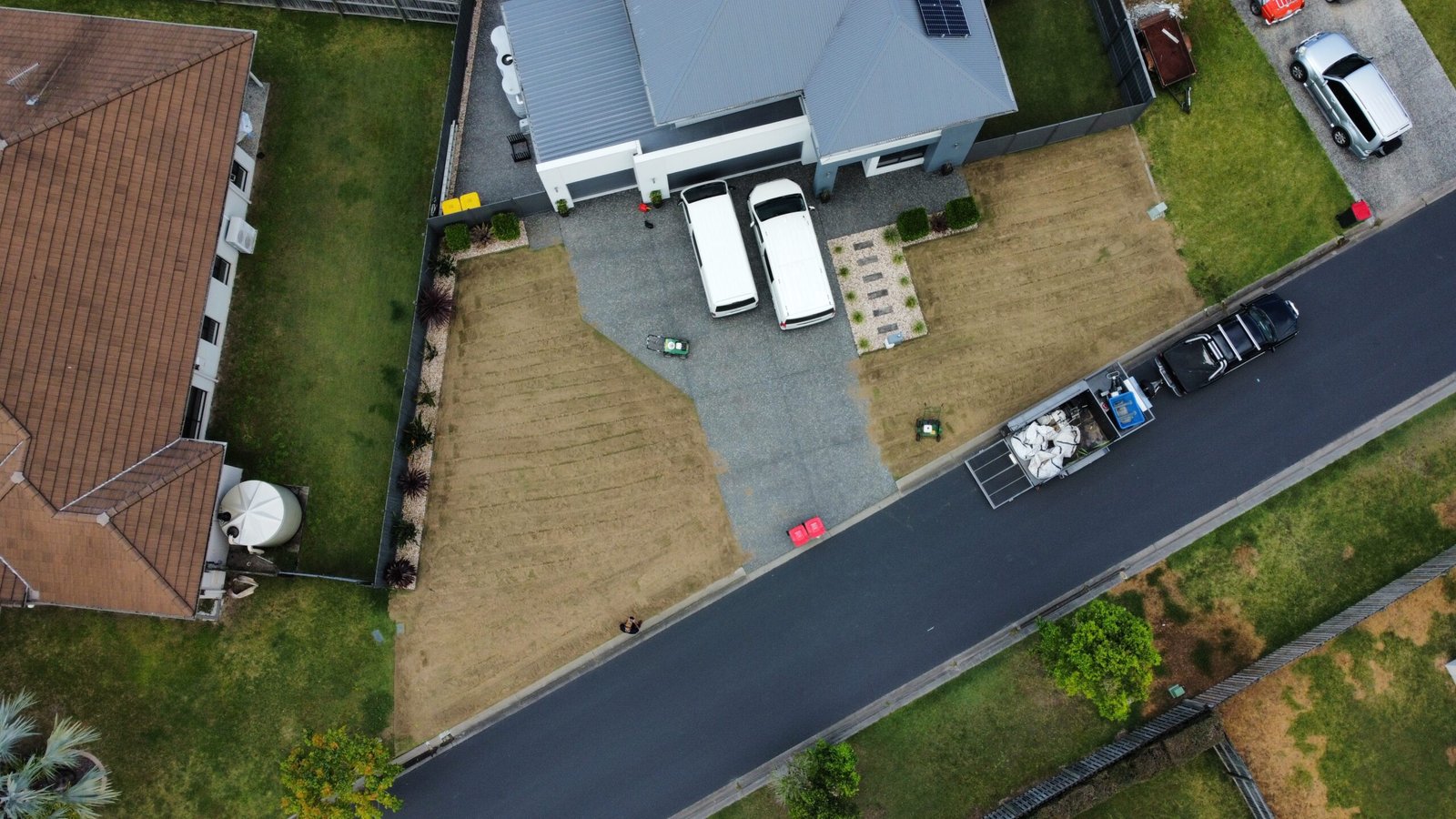
Restore thin, compacted or uneven turf with a planned lawn renovation across Brisbane Northside, Moreton Bay, Caboolture and surrounding suburbs.
 02
02
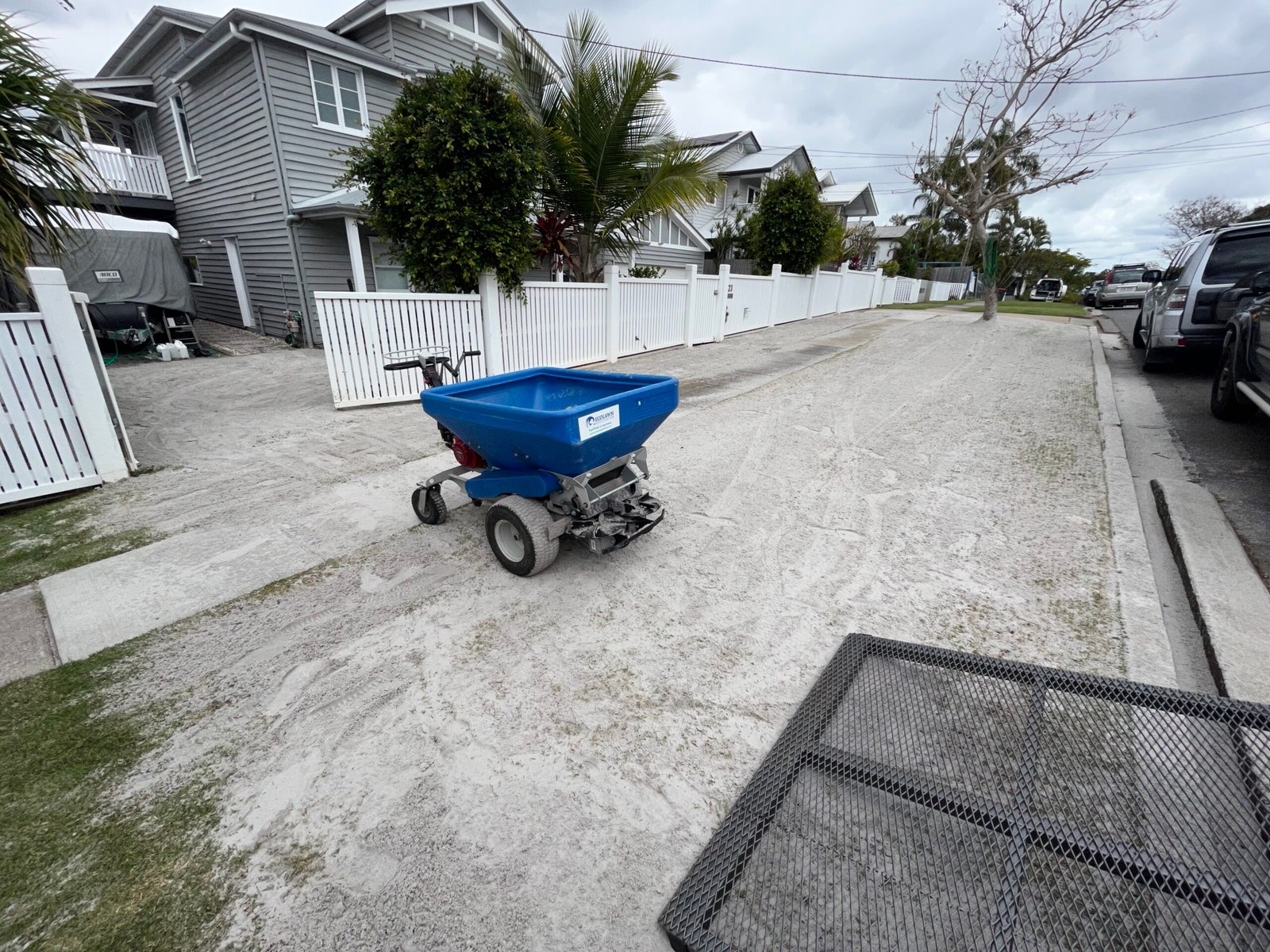
Improve lawn levels and soil structure with carefully selected top dressing applied across Brisbane Northside, Caboolture and Moreton Bay lawns.
 03
03
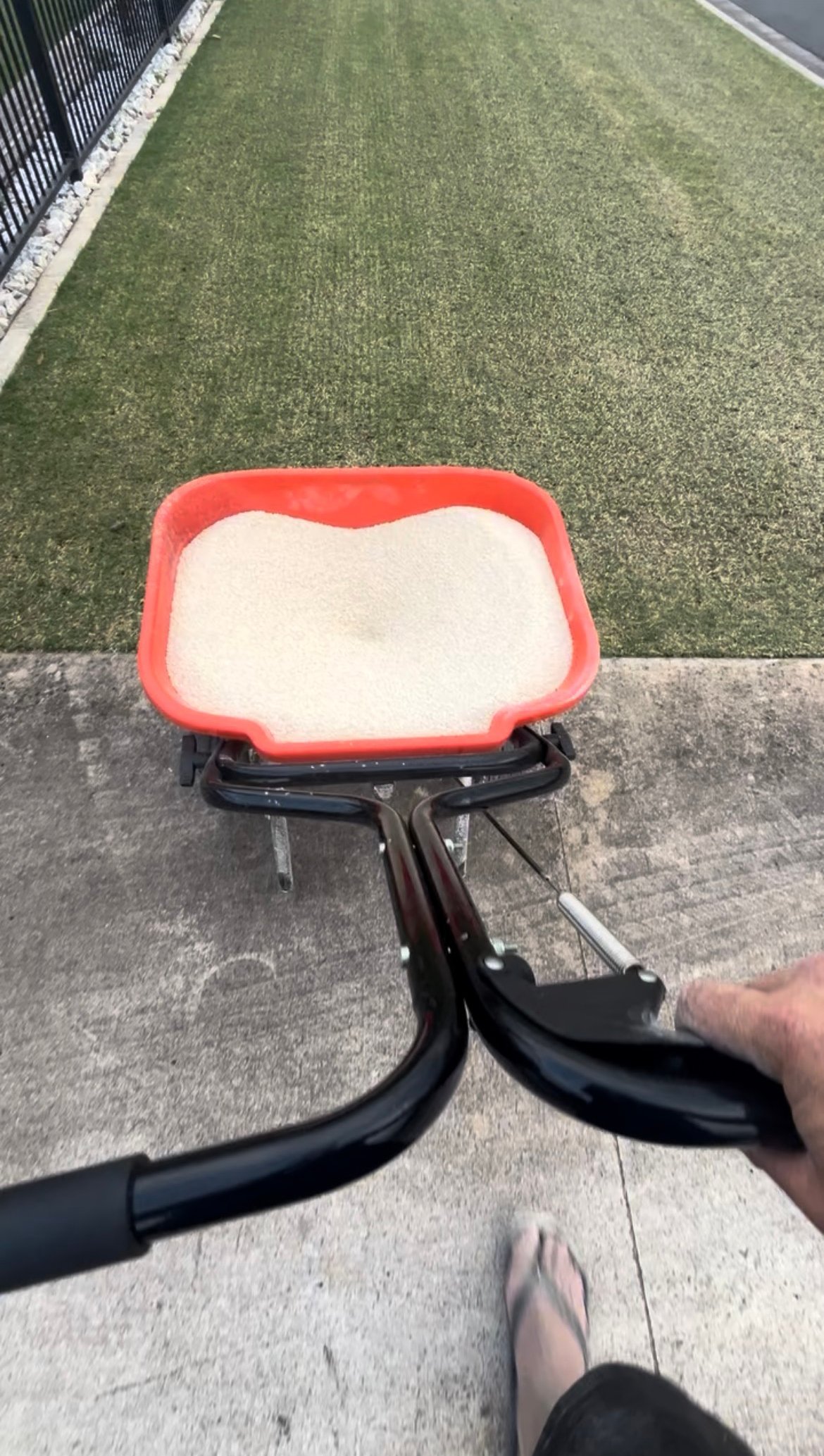
Season-aware lawn fertilising for stronger growth, colour and resilience across Brisbane Northside, Moreton Bay and the Caboolture region.
Share the property, current condition and result you want. We will confirm whether this service is the right fit.